Myotherapy for Soft Tissue Injuries: What to Know About Recovery
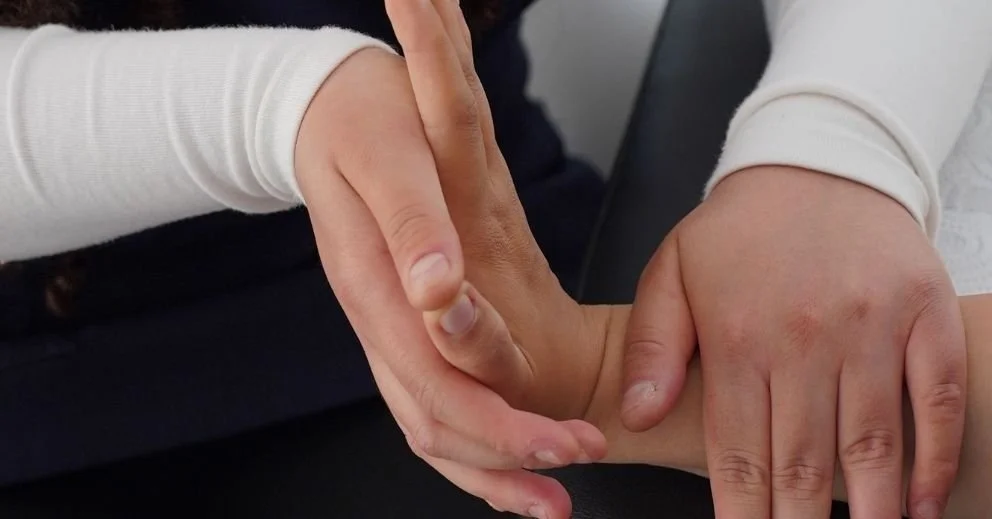
If you've pulled a muscle, tweaked your back, or you're dealing with a nagging shoulder that just won't settle down, you've probably come across the term myotherapy while searching for answers.
It's a hands-on treatment that focuses specifically on muscles, tendons, and the soft tissue that holds your body together. For a lot of people, it ends up being the missing piece in their recovery plan.
This article walks through how myotherapy works for soft tissue injuries, what actually happens during a session, and how to know whether it's the right fit for what you're dealing with.
TLDR: Myotherapy is a hands-on treatment that targets muscle and soft tissue damage through techniques like deep tissue massage, trigger point release, and stretching. It's commonly used for strains, sprains, overuse injuries, and chronic muscle tension. Recovery timeframes vary, but most people see noticeable improvement within a few sessions when it's paired with the right aftercare.
What Soft Tissue Injuries Actually Involve
Soft tissue is the term used for muscles, tendons, ligaments, and fascia (the connective tissue wrapped around your muscles). When any of these get damaged, whether through a sudden injury or wear and tear over time, it can cause pain, stiffness, swelling, and restricted movement.
Common Types of Soft Tissue Injuries
Muscle strains from lifting, twisting, or sudden movement
Ligament sprains, often around ankles, knees, or wrists
Tendon overuse injuries from repetitive activity or sport
Chronic muscle tension from poor posture or long hours at a desk
Scar tissue build-up following a past injury or surgery
Signs You're Dealing With a Soft Tissue Problem
Pain that's localised to one muscle or joint area
Stiffness that's worse in the morning or after sitting still
Swelling or tenderness when you press on the area
Reduced range of motion compared to the other side of your body
Pain that flares up with specific movements or activities
How Myotherapy Supports Soft Tissue Healing
Myotherapy treats the muscle and connective tissue directly, which makes it a good match for soft tissue problems specifically. It's not just about relaxation, it's a targeted approach aimed at reducing pain and restoring normal movement patterns.
A myotherapist will usually start by assessing how you move, where the pain is coming from, and what might be contributing to it. From there, they use a mix of techniques depending on what your body needs.
Techniques Used in a Typical Session
Deep tissue massage to release tight muscle fibres
Trigger point therapy to ease specific points of tension
Myofascial release to free up restricted connective tissue
Dry needling, where appropriate, to calm overactive muscles
Stretching and mobility work to support long-term movement
What Makes Myotherapy Different From a Standard Massage
Where a relaxation massage is about general wellbeing, myotherapy is assessment-driven. The treatment plan is built around what's actually going wrong in your body, not a one-size-fits-all routine. Many clients find it sits somewhere between massage therapy and more clinical treatments like physiotherapy or chiropractic care.
What to Expect During Soft Tissue Recovery
Recovery timeframes are different for everyone. A mild strain might settle in a couple of sessions, while a more stubborn overuse injury could take several weeks of consistent treatment.
Factors That Influence Recovery Speed
How long you've had the injury before seeking treatment
Whether the area is still being aggravated by daily activity or sport
Your general muscle condition and flexibility beforehand
How consistently you follow through with aftercare advice
What Happens After Your Session
It's common to feel a bit tender or heavy in the treated area for a day or so afterwards, similar to how you'd feel after a solid workout. This usually settles quickly and isn't a cause for concern. Drinking water, gentle movement, and avoiding intense exercise for a day tends to help things along.
Your myotherapist will often give you simple stretches or exercises to do between sessions. These matter more than people expect, since the work done on the table is only part of the picture. The rest comes down to how your body moves and loads itself day to day.
When Myotherapy Fits Into a Broader Treatment Plan
Myotherapy doesn't always work alone, and that's a good thing. For some injuries, it works well alongside chiropractic care, particularly when joint alignment or postural issues are feeding into the muscle tension in the first place.
At Summit Chiropractic & HealthAt , treatment is approached with the understanding that muscles and joints don't operate in isolation. A tight muscle might be compensating for a joint that isn't moving properly, so looking at the whole picture rather than just the sore spot tends to give better long-term results.
Signs Myotherapy Might Need to Be Combined With Other Care
Pain keeps returning to the same spot despite treatment
There's joint stiffness alongside the muscle tightness
The injury followed a fall, accident, or sudden trauma
Pain radiates or travels rather than staying in one area
Getting Soft Tissue Pain Properly Assessed
Soft tissue injuries have a habit of lingering longer than they need to, especially when they're treated with rest alone and nothing else. Getting a proper assessment early on can make a real difference to how quickly things improve.
If you're dealing with muscle pain, tightness, or a soft tissue injury that isn't settling, the team at Summit Chiropractic & Health can take a look and talk you through the options that make sense for your situation. Book your appointment today.
Key Takeaways
Myotherapy targets muscles, tendons, and connective tissue directly, making it well suited to soft tissue injuries
Common techniques include deep tissue massage, trigger point therapy, myofascial release, and dry needling
Recovery time depends on how long the injury has been present and how well it's managed between sessions
Mild soreness after treatment is normal and usually settles within a day
Combining myotherapy with chiropractic care can help when joint issues are contributing to muscle tension
FAQ
How many myotherapy sessions will I need for a soft tissue injury?
It really depends on the severity and age of the injury. A recent, mild strain might improve in one or two sessions, while chronic or long-standing tension often needs a short course of weekly treatment to see lasting change.
Is myotherapy safe if I have an underlying health condition?
Most people can have myotherapy safely, but it's worth mentioning any medical conditions, medications, or recent surgeries before your session starts. Your therapist can adjust the pressure and techniques used based on what's appropriate for you.
Can myotherapy help with an injury that happened months or years ago?
Yes, myotherapy is often used for older injuries where scar tissue or long-term compensation patterns have built up. It may take a bit longer to see change compared to a fresh injury, but improvement is still very achievable.
Do I need a referral to book a myotherapy appointment?
No referral is needed in most cases, as myotherapy is typically accessed directly. If you're claiming through private health insurance, it's worth checking your policy to see what level of cover applies.
What should I do if the pain gets worse after a myotherapy session?
A small amount of tenderness is normal, but pain that's sharp, worsening, or lasting more than a couple of days should be flagged with your therapist. They can reassess and adjust the treatment approach from there.