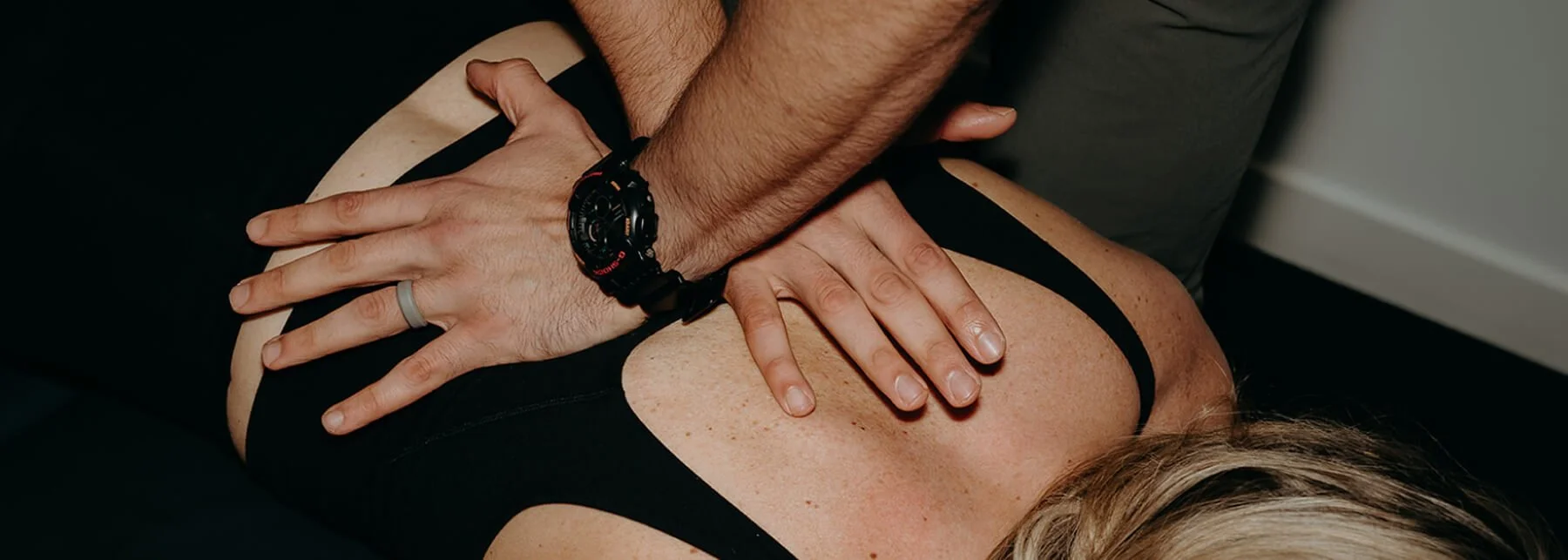
Dry Needling Geelong
What is dry needling?
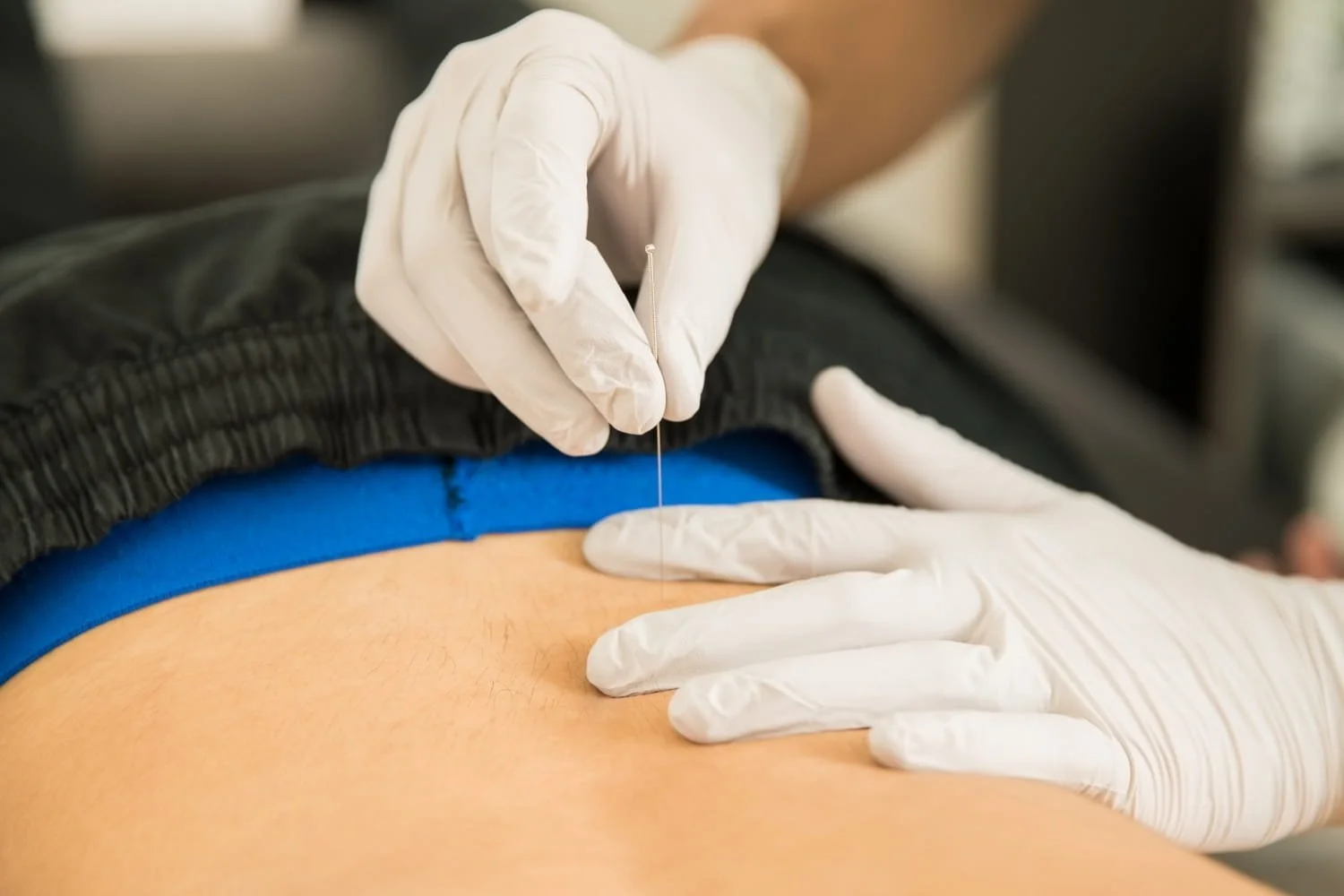
Dry needling is a technique that involves the insertion of fine, sterile needles into tight muscle trigger points. These trigger points can contribute to pain, muscle weakness, and restricted movement, both at the site and in surrounding areas.
By stimulating these areas, dry needling encourages the muscle to relax, improves circulation, and supports normal movement. Many people notice a reduction in pain and stiffness shortly after treatment.
We commonly use dry needling alongside other techniques, such as hands-on therapy, joint mobilisation, cupping, and exercise rehabilitation, depending on your condition and treatment goals.
What are the benefits?
Pain relief: Releases muscle trigger points and reduces ongoing tension.
Improved movement: Helps restore flexibility and joint range of motion.
Faster recovery: Supports healing from sports injuries and overuse conditions.
Reduced headaches: Eases neck and shoulder tension linked to tension-type headaches and migraines.
Improved circulation: Encourages blood flow to irritated or injured muscle tissue.
Highly targeted treatment: Focuses directly on the muscles contributing to your pain for efficient results.
Dry Needling Geelong FAQ
-
Dry needling is commonly used to manage muscle pain, including muscle tension, muscle tightness, and musculoskeletal pain linked to myofascial trigger points. It can also support people experiencing neck pain, knee pain, overuse injuries, or dysfunction affecting normal muscle function.
It’s often used alongside treatments like remedial massage and myotherapy as part of a broader approach to managing persistent or chronic conditions. Dry needling therapy may also assist with reducing pain intensity and improving movement over time.
-
During treatment, a thin needle or dry needle is inserted into specific trigger point areas within the muscle. You may feel a brief twitch response, which is a normal part of trigger point therapy and trigger point dry needling.
Most people describe the feeling as manageable discomfort rather than pain. Some areas may feel more sensitive depending on the muscle fibre being treated and the level of pain signal present, but your practitioner will always adjust the technique to suit your comfort level.
-
Yes. When performed by a trained practitioner, dry needling is a safe and widely used form of manual therapy.
Single-use sterile needles are always used, and the technique is applied with care based on your symptoms and medical history.
-
A dry needling treatment begins with an assessment of how your muscles and soft tissues are functioning, followed by identifying each myofascial trigger point contributing to pain or restriction. A thin needle is then used to target these areas and release tension.
This dry needling technique aims to reduce muscle spasm, improve muscle relaxation, and restore normal muscle function. It may also be combined with myofascial release or other hands-on techniques for better results.
-
While deep tissue and remedial massage use hands-on pressure to relieve muscle tightness, dry needling targets the trigger point directly using a thin needle.
This allows for more precise trigger point therapy and trigger point dry needling, especially in deeper muscle layers, without relying on sustained pressure through the skin.
-
Yes. Dry needling is often used for persistent muscle pain, muscle tension, and muscle tightness, particularly when linked to myofascial trigger points or previous injuries.
It can help restore normal muscle function, reduce muscle spasm, and improve movement when combined with other treatments like myotherapy or remedial massage.
-
No. While it’s effective for reducing muscle pain and pain intensity, dry needling therapy is also used to improve muscle function, support recovery, and enhance movement.
It’s commonly included as part of a broader plan involving myotherapy, exercise, myofascial release, and other techniques that support long-term outcomes.
-
Some people notice improvements shortly after treatment, while others feel changes over the following days as the muscle settles. Results vary depending on the condition being treated and how your body responds to care.
-
Trigger point dry needling is a specific dry needling technique that targets a myofascial trigger point within the muscle. These points can contribute to pain, reduced movement, and altered muscle function.
By releasing the trigger point, this approach helps reduce muscle tension, improve muscle relaxation, and interrupt the pain signal contributing to ongoing discomfort.
-
Dry needling work involves inserting a dry needle into affected muscle fibre to stimulate a response within the tissue. This can help reduce muscle spasm, improve circulation, and support healing in soft tissues.
The process also helps reset how the body processes pain signals, which may reduce pain intensity and improve overall movement.
-
Yes. Dry needling treatment is commonly used for sports injuries and activity-related issues, including muscle strain, knee pain, and ongoing muscle tightness.
It helps restore muscle function, improve flexibility, and reduce muscle tension, making it a useful addition to rehabilitation and performance-focused care.