

Your Trusted Paediatric Chiropractor
Is your child experiencing discomfort or postural issues? Our paediatric chiropractic care supports healthy development using gentle, age-appropriate techniques.

Helping kids move, grow, and feel their best.
Children’s growing bodies face unique challenges that shouldn’t be overlooked. Our paediatric chiropractor uses gentle, child-friendly techniques to address discomfort at its source.
At Summit Chiropractic & Health, we care for children of all ages, from infants with feeding concerns to teenagers managing sports injuries and postural strain.
Using specialised techniques, we support issues like birth-related strain, torticollis, growing pains, and scoliosis screening. Our focus is on healthy development, better movement, and overall function.
We create a calm, welcoming space where children feel at ease, and parents feel confident in their care.
Support your child’s healthy development by booking a paediatric chiropractic consultation today.

Paediatric chiro explained.
Paediatric chiropractic care supports growing bodies and is often linked to posture, development, and movement. Here’s a quick look at how it can help your child:
-
Spinal issues in children can develop from a range of factors, including growth, posture, and everyday physical stress.
Birth factors, such as difficult deliveries or caesarean sections, can influence early spinal alignment and comfort.
As children reach milestones like crawling, sitting, and walking, natural strain can be placed on the spine as the body adapts and grows.
School habits, sports activities, and screen time can also place added stress on growing spines, sometimes leading to discomfort or movement issues.
-
Common symptoms in children:
Difficulty with feeding, sleeping, or settling in infants and toddlers.
Frequent headaches, neck pain, or complaints of back discomfort.
Poor posture, uneven shoulders, or noticeable spinal curvature.
Reduced mobility, stiffness, or reluctance to participate in physical activities.
Behavioural changes, irritability, or difficulty concentrating at school.
-
Paediatric chiropractic care focuses on supporting healthy spinal alignment and overall development in growing bodies.
Using gentle, child-friendly techniques, chiropractors help improve movement, reduce tension, and support better nervous system function.
This approach can also assist with sleep, digestion, and posture, while helping prevent minor issues from developing into longer-term concerns.
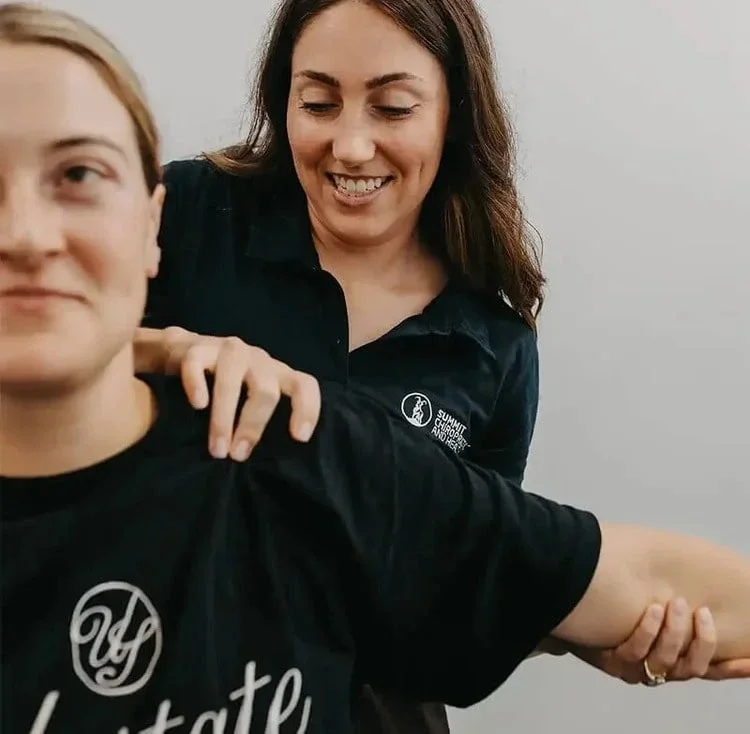
Your child's development is our priority.
Paediatric chiropractic care can support children’s health and development in a gentle, natural way. Adjustments may help improve sleep, reduce fussiness in infants, and support better feeding. For school-aged children, care can also assist with posture and comfort during daily activities.
By supporting proper spinal alignment during key growth stages, chiropractic care helps promote healthy nervous system function. This can improve coordination, balance, and movement. Regular check-ups may also help identify concerns like scoliosis early, when support can be most effective.
Our child-centred approach ensures treatments are comfortable and stress-free, building positive associations with healthcare from an early age. Many parents report improvements in their children's energy levels, mood, and overall well-being following paediatric chiropractic care, setting the foundation for lifelong spinal health.
Paediatric Chiropractor FAQ
-
Paediatric chiropractic care is a gentle, specialised approach designed for infants, children, and teenagers. It uses modified techniques with minimal force to suit developing spines and nervous systems. The focus is on supporting natural growth while addressing common childhood spinal concerns in a calm, child-friendly way.
-
Chiropractic care for children uses very light pressure, often compared to the gentle touch used to check the ripeness of a tomato. Practitioners are trained in child development to ensure age-appropriate care. When performed by qualified professionals, it has a strong safety record, with treatment tailored to each child’s size, age, and needs.
-
Children can receive chiropractic care from a very young age, including as newborns if needed. Early care can help address birth-related strain and support healthy development. Techniques are adjusted as your child grows, and many families choose regular check-ups to support ongoing wellbeing.
-
Paediatric chiropractors may help with a range of concerns, including feeding difficulties, colic, reflux, and sleep issues in infants. They also support conditions like torticollis, posture-related concerns, growing pains, and sports injuries. During growth phases, they may assist with early detection and management of issues such as scoliosis.
-
Initial consultations usually take 45 to 60 minutes and include a detailed assessment. Follow-up visits are typically shorter, around 15 to 30 minutes, depending on your child’s needs. Sessions are adapted to suit your child’s comfort, pace, and attention span.
-
You don’t need a referral to book a paediatric chiropractic appointment. Some private health insurance policies may have specific requirements for rebates. If needed, your chiropractor can also communicate with your child’s GP or paediatrician to support a collaborative approach.
-
The number of treatments depends on your child’s age, condition, and how they respond to care. Some acute concerns may improve within a few sessions, while developmental or ongoing issues may benefit from longer-term support. A personalised plan will be discussed after the initial assessment.